Water Purification: A Hands-On Environmental Science Activity
An engaging hands-on STEM activity that introduces students to the concept of water purification by building and testing a simple filtration system using common materials.
Aim
To introduce students to the concept of water purification by allowing them to build and test a simple filtration system using common materials. This activity helps learners understand the importance of clean water and how basic scientific methods can solve real-world environmental problems.
Scientific Principle
The activity is based on the principles of filtration and adsorption:
Filtration
A physical process that removes impurities from water by passing it through layers of materials that trap suspended particles and dirt.
Adsorption
A chemical process where substances adhere to the surface of a solid (e.g., activated charcoal), removing odors, colors, and some toxins from the water.
These principles are widely used in modern water treatment and purification plants.
Activity Steps
Step 1: Prepare the Filter System
Take the top half of a plastic bottle and turn it upside down to act as a funnel. Place a cotton ball at the bottom to block other materials from falling out.
Step 2: Layering the Filter Media
Add a layer of activated charcoal above the cotton. Next, add a layer of fine sand. Finally, place gravel or small pebbles on top.
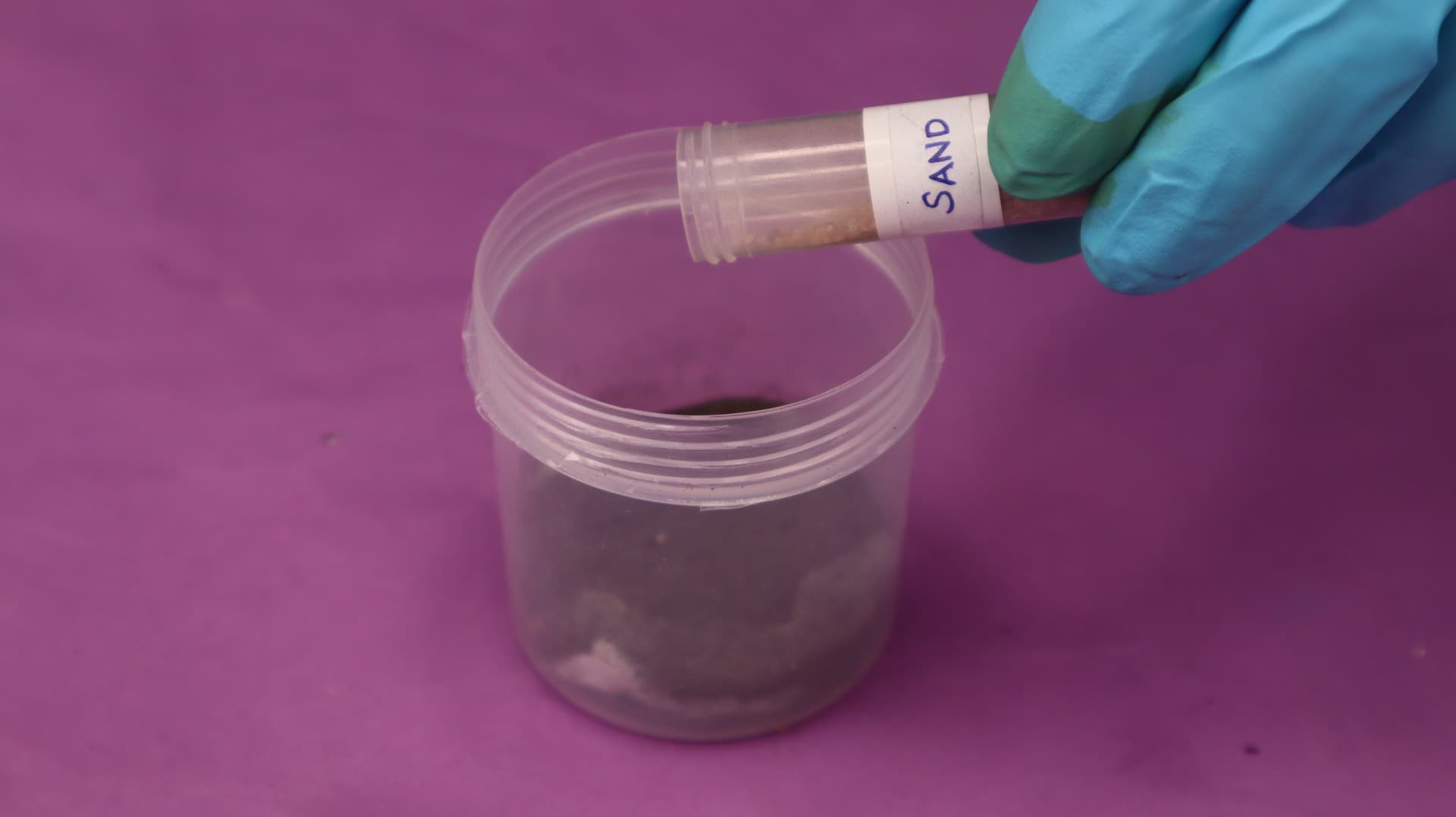
Filter system setup with layered materials
Step 3: Create Impure Water Sample
Prepare "dirty water" by mixing soil, bits of leaves, and a drop of food color into clean water to simulate pollution.
Step 4: Filtration Process
Pour the impure water slowly into the top of the filter. Observe the water as it passes through each layer. Collect the filtered water in a clean container at the bottom.
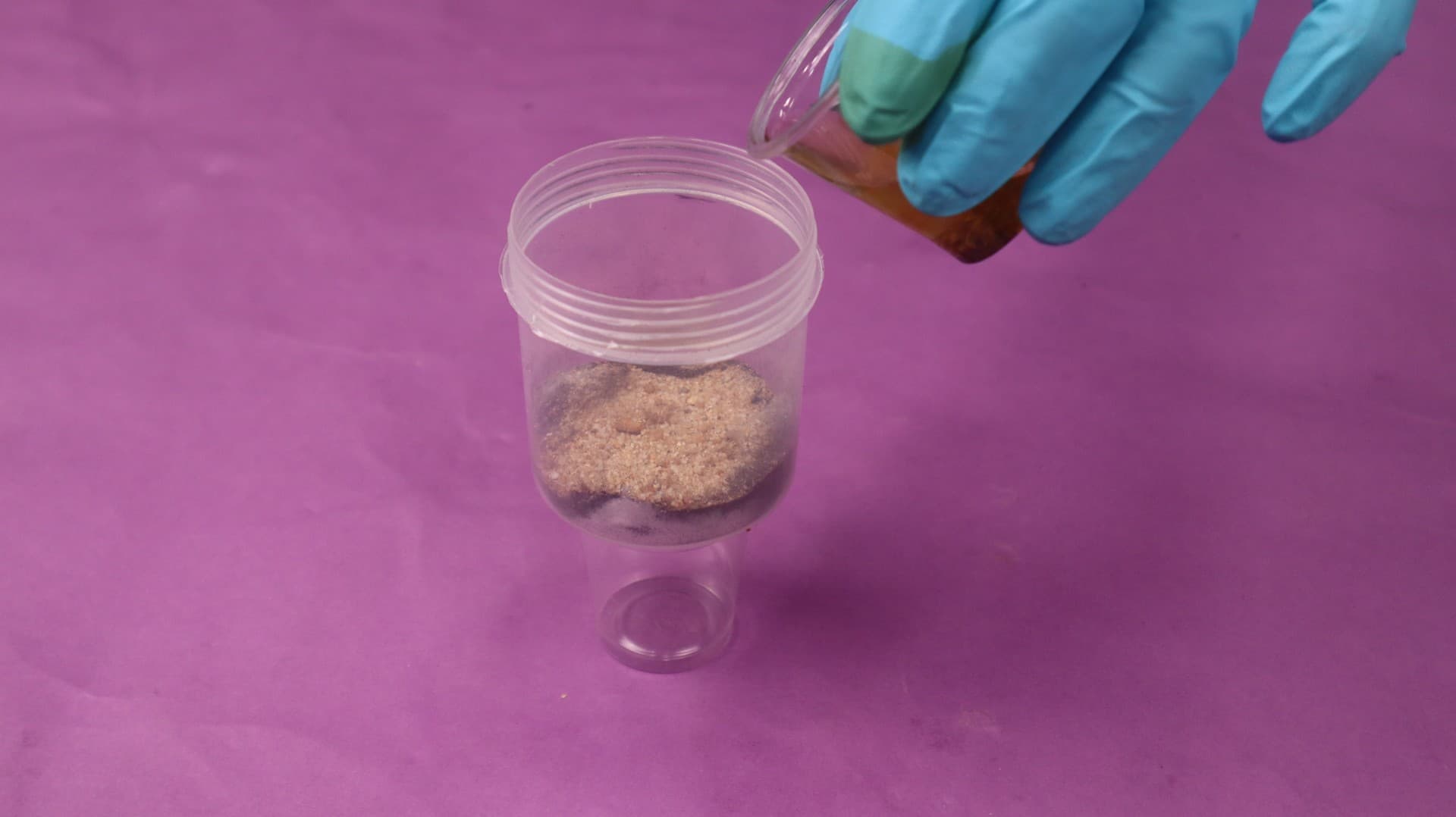
Layered filter system showing different filtration materials
Content and Skills Covered
Scientific Concepts
- Basics of environmental science
- Water pollution and its impacts
- Real-world applications of filtration
Skills Developed
- Step-by-step problem-solving
- Observation and recording of changes
- Cause-and-effect understanding
- Hands-on exploration of scientific processes
Learning Outcomes
By the end of this activity, students will be able to:
- Describe the role of different materials in water purification
- Understand how natural filters mimic real-world water treatment
- Explain the importance of clean water in everyday life
- Recognize water as a valuable and limited resource
- Apply observation skills to analyze and interpret scientific processes
Conclusion
This activity empowers students to become young environmental scientists by engaging them in a hands-on, inquiry-based project. By constructing a simple yet effective water filter, students see firsthand how dirty water can be made cleaner using natural materials and scientific processes.
It also introduces them to global issues like water scarcity, pollution, and the science behind clean water technologies. Through this simple but powerful STEM project, students develop a sense of responsibility toward the environment and an appreciation for the technologies that help keep our water safe.
Real-World Connection
This experiment mirrors the technology used in water treatment plants across the world. Students not only gain an appreciation for science but also develop empathy and awareness about clean water access — a vital global issue.
Want to Learn More About Our STEM Programs?
Discover how we're making environmental science and sustainability accessible and engaging for students of all ages through innovative hands-on activities.
Explore More Activities