Terrarium – A Tiny Jungle
Orchids The International Schools are constantly finding new ways to blend academics with real-world experiences. One fascinating idea is the introduction of terrariums—miniature gardens enclosed in glass containers. These self-sustaining ecosystems not only bring greenery into classrooms but also help students understand the delicate balance of nature.
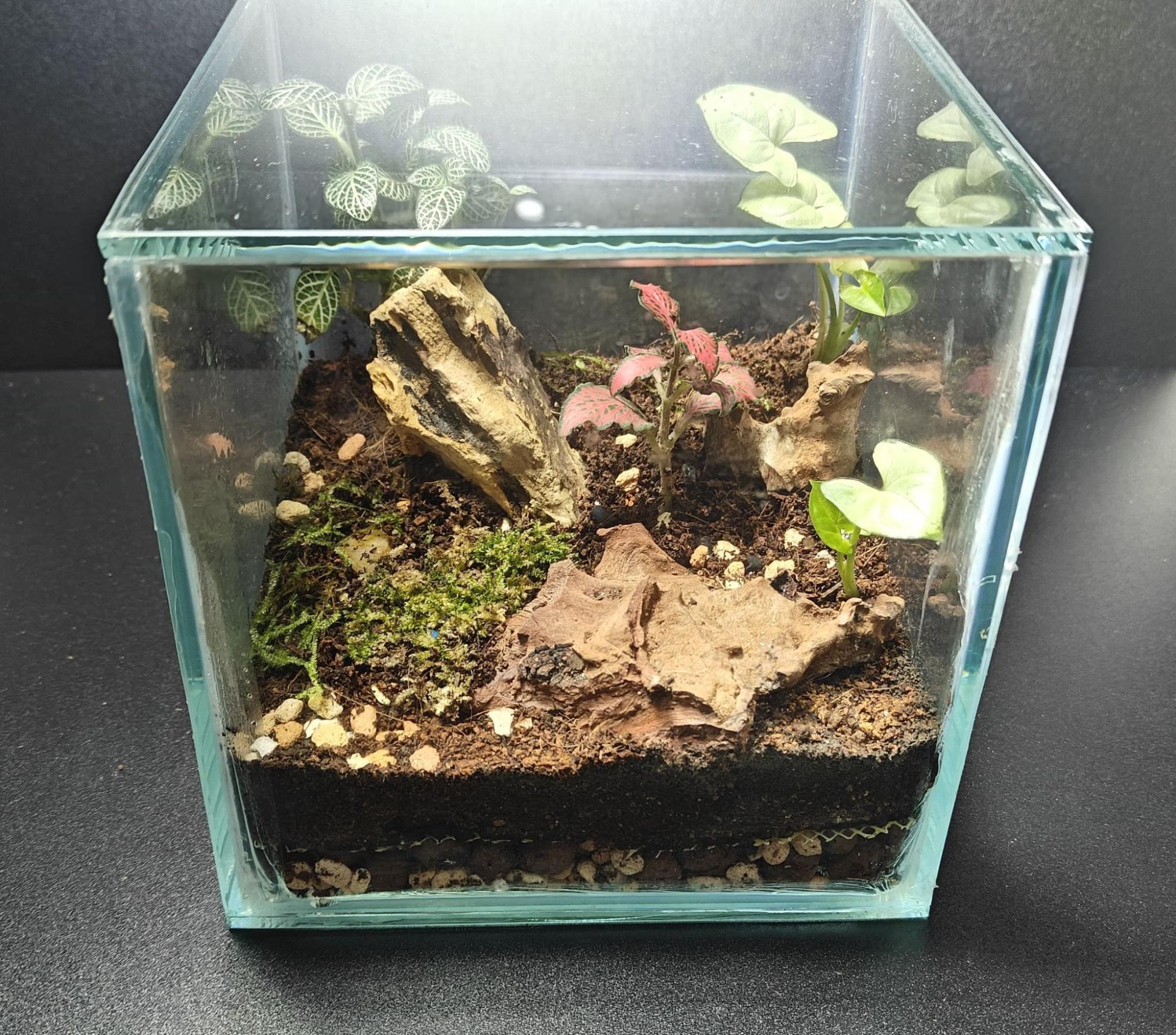
A self-sustaining terrarium – a miniature jungle in glass
A terrarium is a collection of plants growing in a glass-enclosed container. With the right mix of growing media, water, and light, terrariums recycle their own air and water, making them living examples of the water cycle and an ecosystem. This makes them a perfect teaching tool, as they connect theory with hands-on practice.
History of Terrariums
The concept of terrariums dates back to 1829, when Dr. Nathaniel Bagshaw Ward accidentally discovered that plants could thrive inside sealed glass jars. His invention, the Wardian case, revolutionized the transportation of plants across continents.
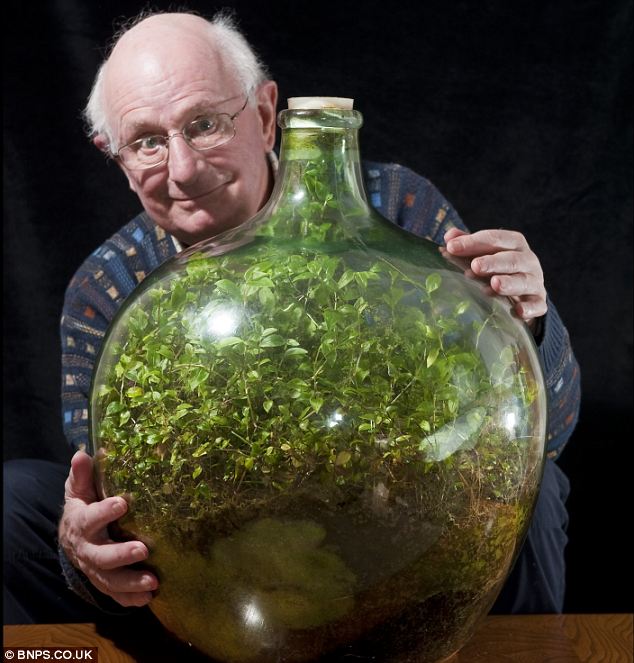
World's Oldest Terrarium
Planted by David Latimer in 1960, his spiderwort plant has survived in a sealed glass bottle, watered only once in the 1970s. This remarkable experiment shows just how self-sustaining a terrarium can be.
The Wardian case – revolutionizing plant transportation
Today, terrariums are not just about science but also about design. Luxury terrariums with rare plants and artistic glasswork can cost several lakhs. New York–based artist Paula Hayes even creates terrariums as living art, valued at up to $60,000, making them the most expensive terrariums in the world.
How to Make a Terrarium
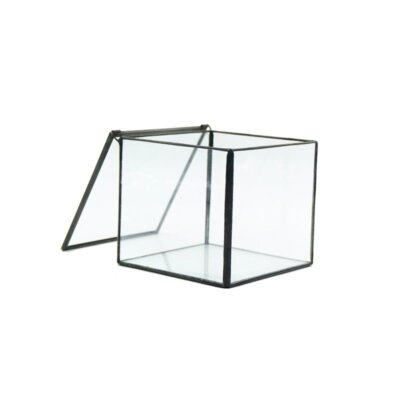
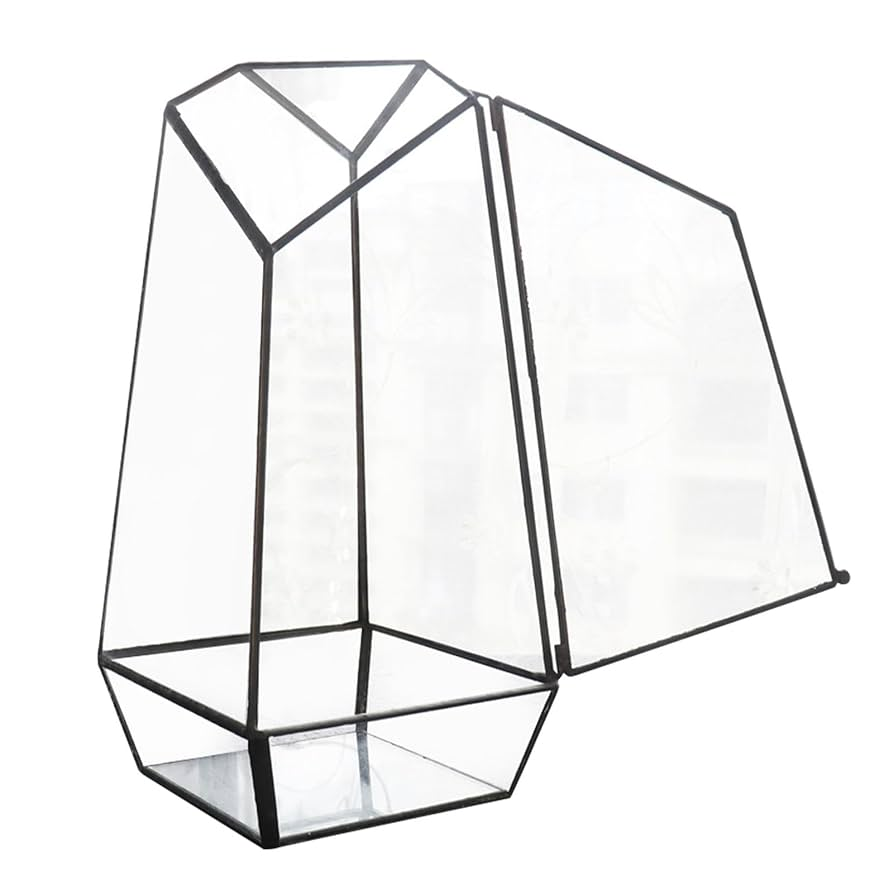
1. Choose a clean glass container


2. Add a drainage layer
Fill about 1/10th of the container with porous, moisture-absorbing stones or pebbles, or alternatively use clay pellets.
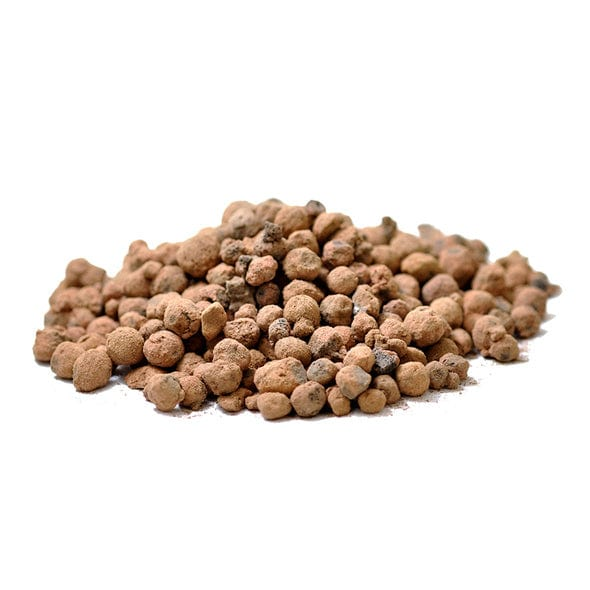
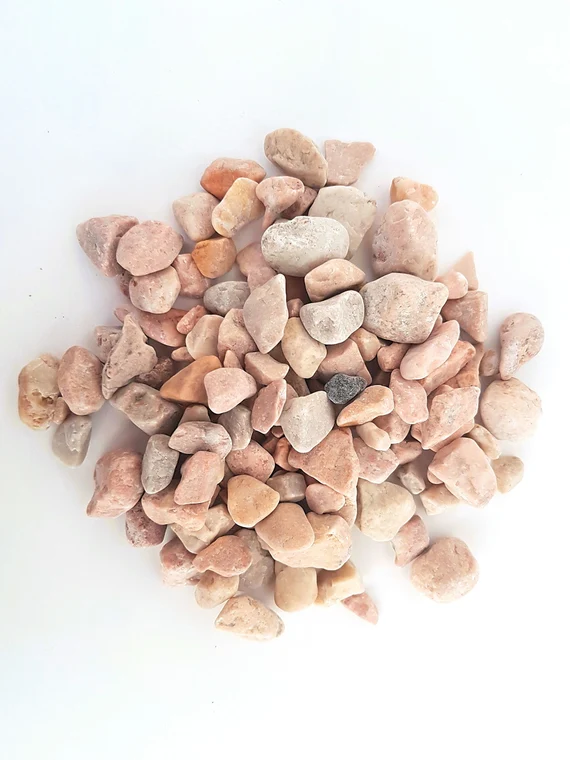
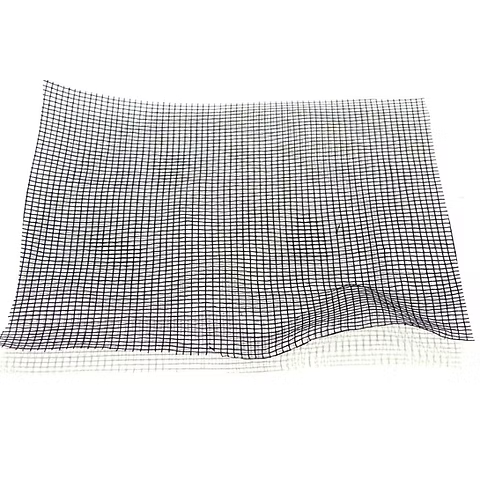
3. Place a mesh
This prevents the soil from falling into the stones and helps water drain easily.
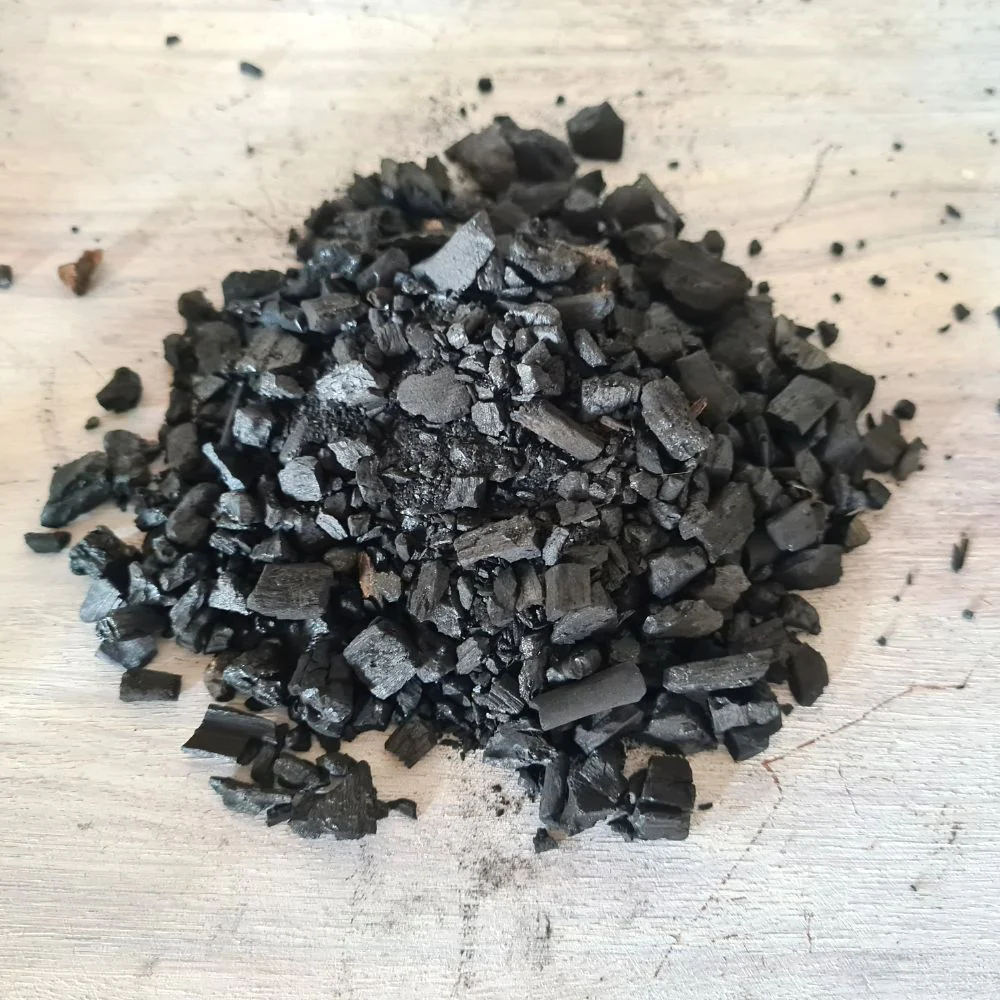
4. Add a thin layer of activated charcoal
This keeps the terrarium fresh and prevents fungal growth.
5. Prepare the terrarium mix
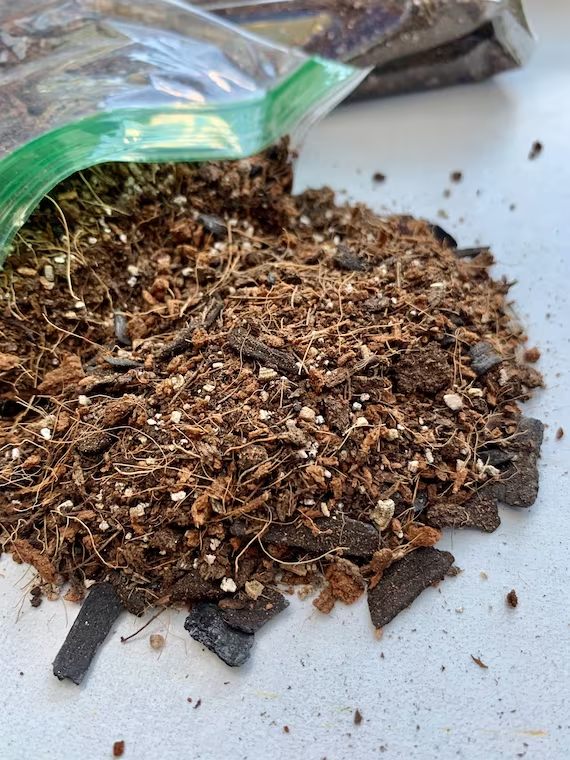
Combine 50% cocopeat, 25% potting media, and 25% activated charcoal and perlite mix, with a layer of sphagnum moss, which helps support healthy root growth, control moisture, and provide nutrients to the plants.
6. Plan your landscape designs
Arrange plants, rocks, and wood neatly to enhance the beauty of the terrarium and showcase creativity.
7. Adding rocks and wood
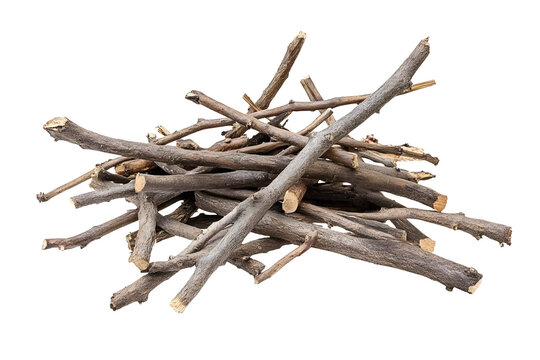
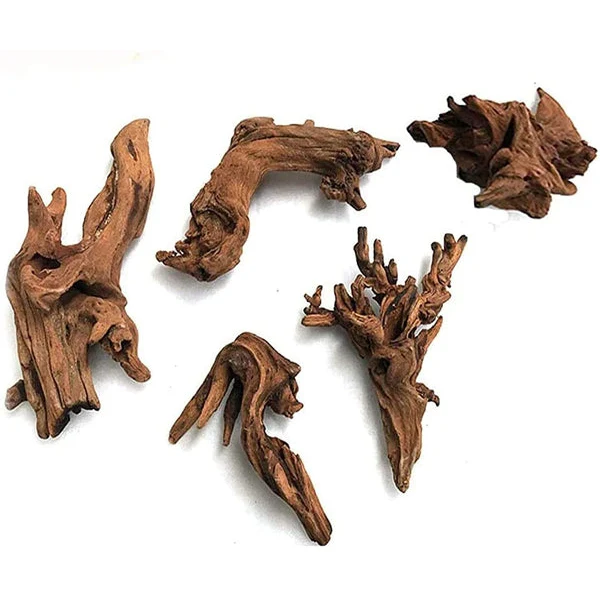
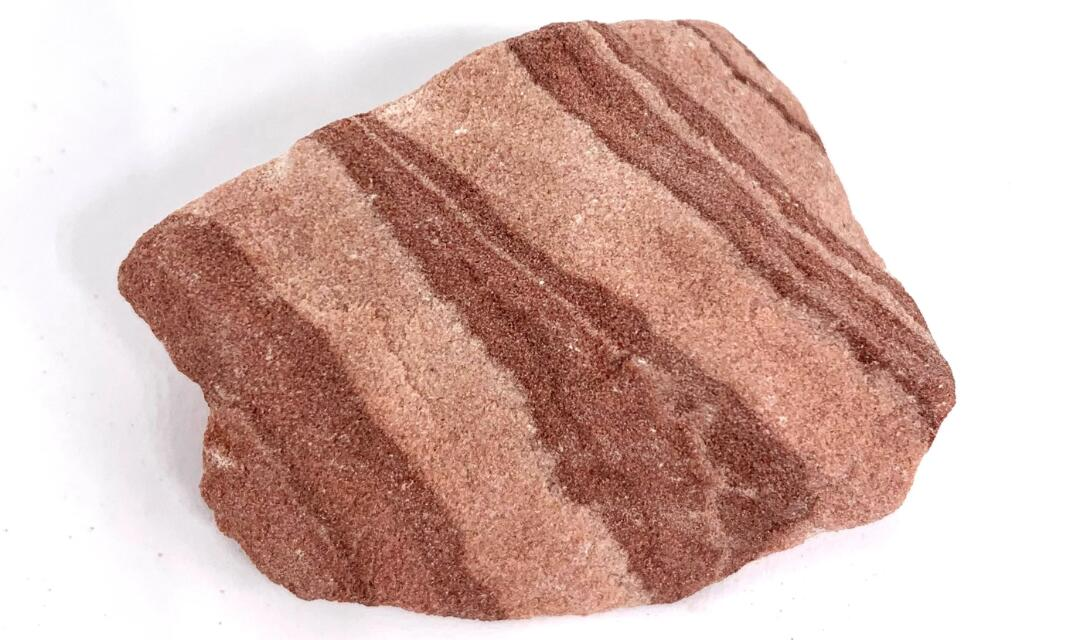
This makes the terrarium look natural, beautiful, and creative. They help form mini landscapes such as hills, paths, or borders, while wood adds height and texture.
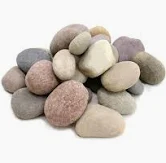
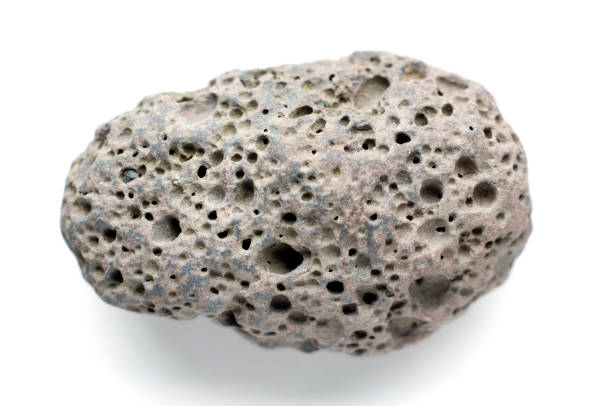
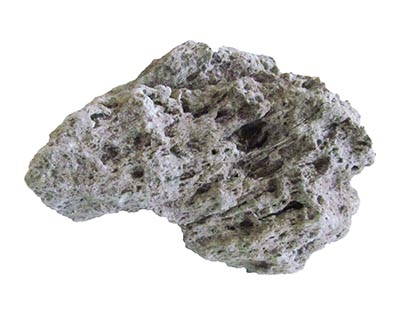
Commonly used rocks include river stones, porous, metamorphic, sedimentary and igneous types, while driftwood, bark pieces, and small twigs are popular wood choices.
⚠️ Important: Local rocks may carry fungus, pests, or bacteria. Sterilize them before use by boiling for 10–15 minutes or baking at 180°C for 10–20 minutes, then allow them to cool and dry completely.
For best results, place large rocks or wood first to create structure, and then position plants in front so they receive enough light.
8. Plant your choice of greenery
First plan the layout, make a small hole in the soil, gently place the plant, cover and press the soil lightly, and finally mist with water.
Not all plants are suitable for terrariums; the right choice depends on their needs. For closed terrariums, select moisture-loving plants that are small and slow-growing so they fit well. Provide soft, indirect sunlight, avoid mixing dry- and wet-loving types, and regularly trim excess growth or replace oversized plants with smaller ones to maintain balance.
Suitable plants include: ferns, fittonias, peperomia, pilea, syngonium, or chamaedorea palms.
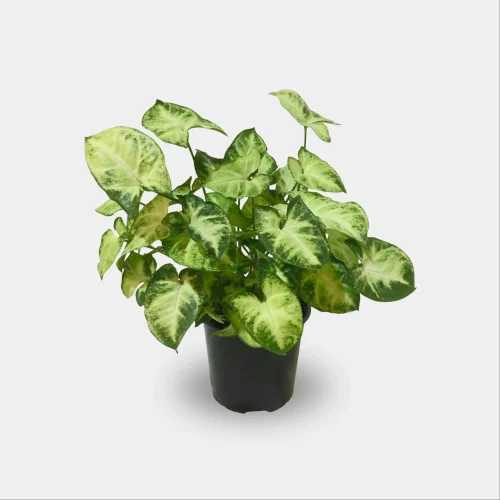
Syngonium
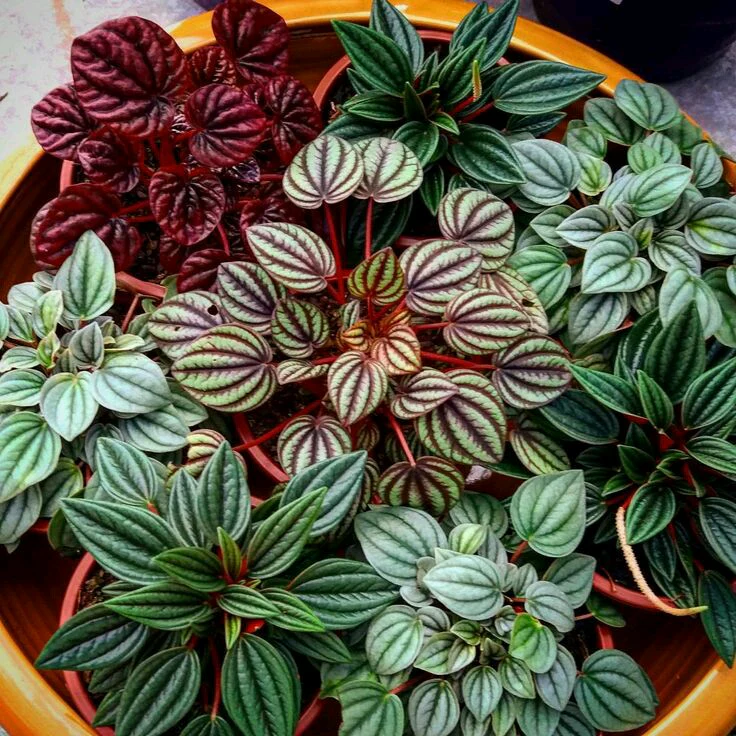
Peperomia
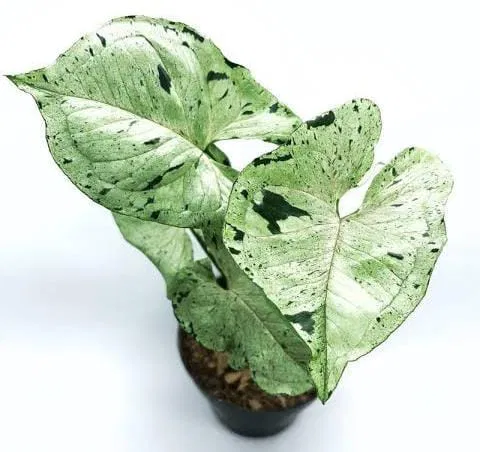
Syngonium green splash
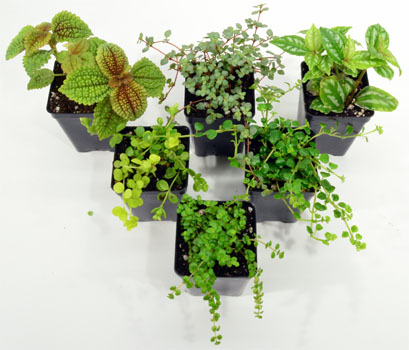
Mixed Plants
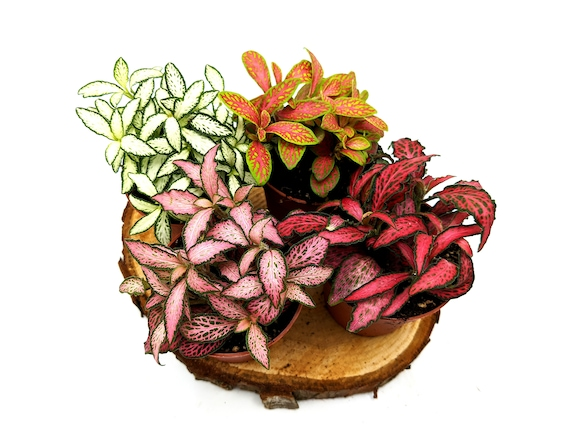
Fittonias
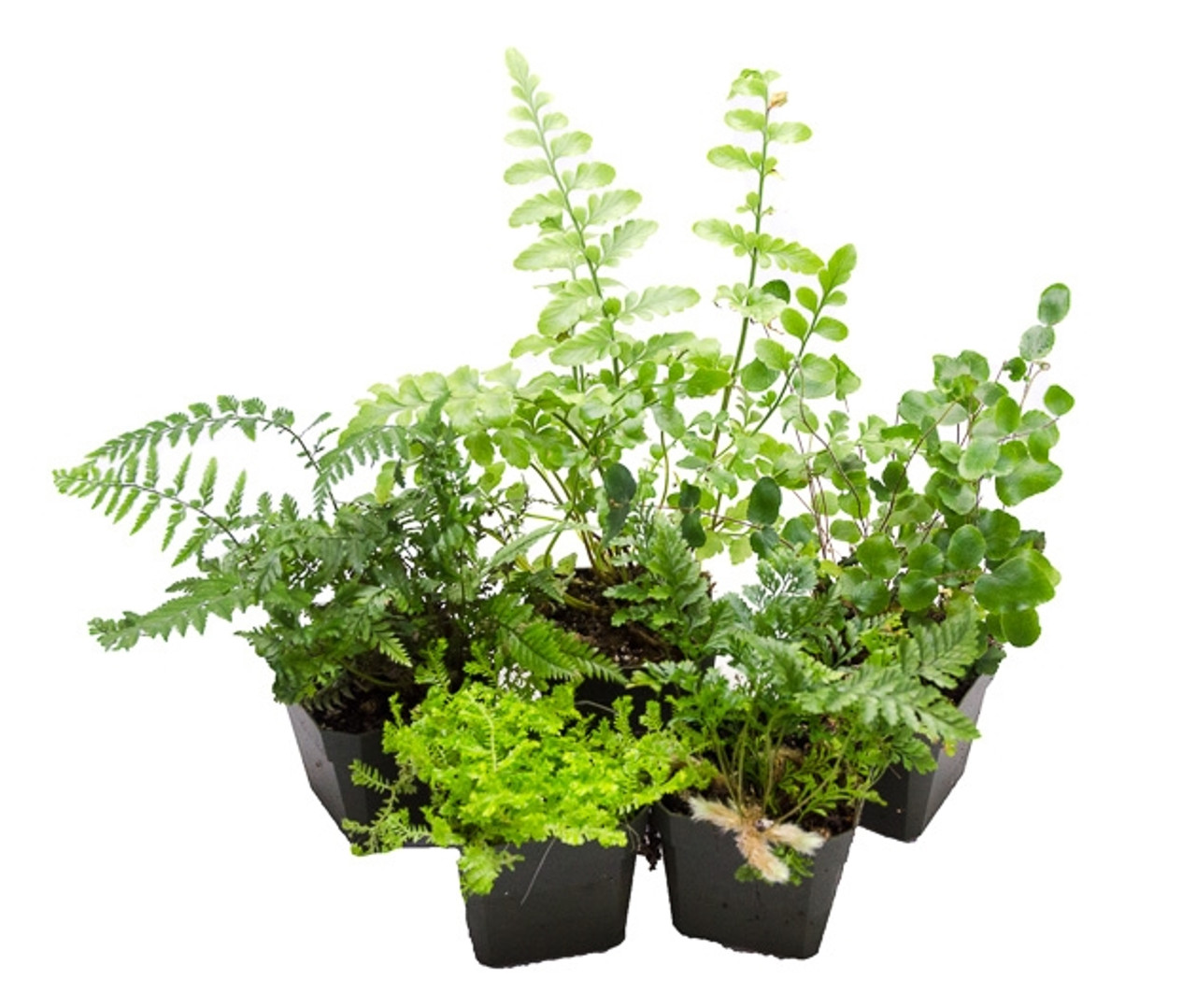
Ferns
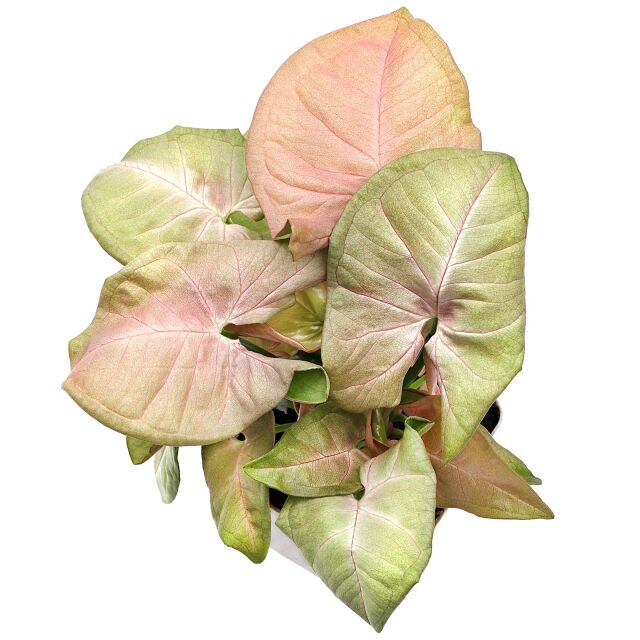
Syngonium Neon Robust
9. Adding moss to your terrarium
Adding moss helps retain soil moisture, protect the soil, create a soft green carpet look, and reduce weeds and fungus.
⚠️ Avoid using tree moss collected from outdoors as it dies quickly in humid conditions, may carry bugs, and is not clean or sterilized. Instead, use sterilized moss.
Place moss gently with tweezers around (not on) plant bases, press lightly, mist to keep it moist without overwatering, and position the terrarium in filtered sunlight or under LED/fluorescent light for 6–8 hours daily.
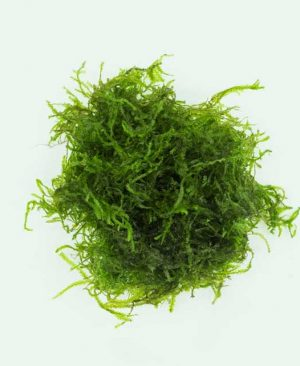
Different types of mosses: Christmas moss, Peacock moss, Java moss, Weeping moss, or Taiwan moss – each variety adds a unique texture and greenery to the terrarium.
10. Decorate to complete your design
Add small shells, toys, or colored stones to complete your design.
Each layer serves a purpose—drainage, air purification, nutrient supply—turning the activity into a practical science lesson disguised as creative fun.
Hands-On Learning: Terrarium Workshops
Orchids The International Schools organize terrarium workshops where students create their own miniature gardens. These sessions help them explore plant care, understand ecosystem balance, and see science in action, while expressing creativity through design and decoration.
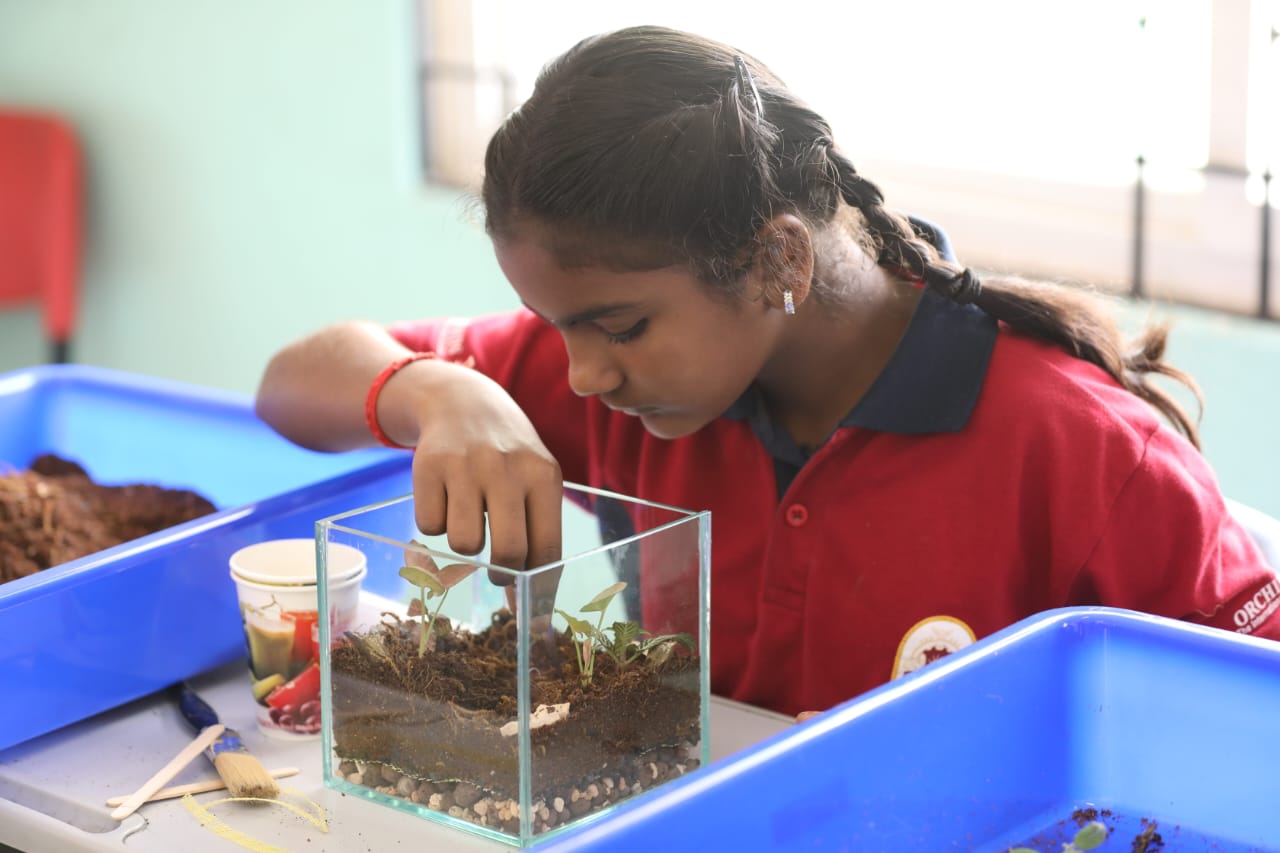
Students creating their terrariums
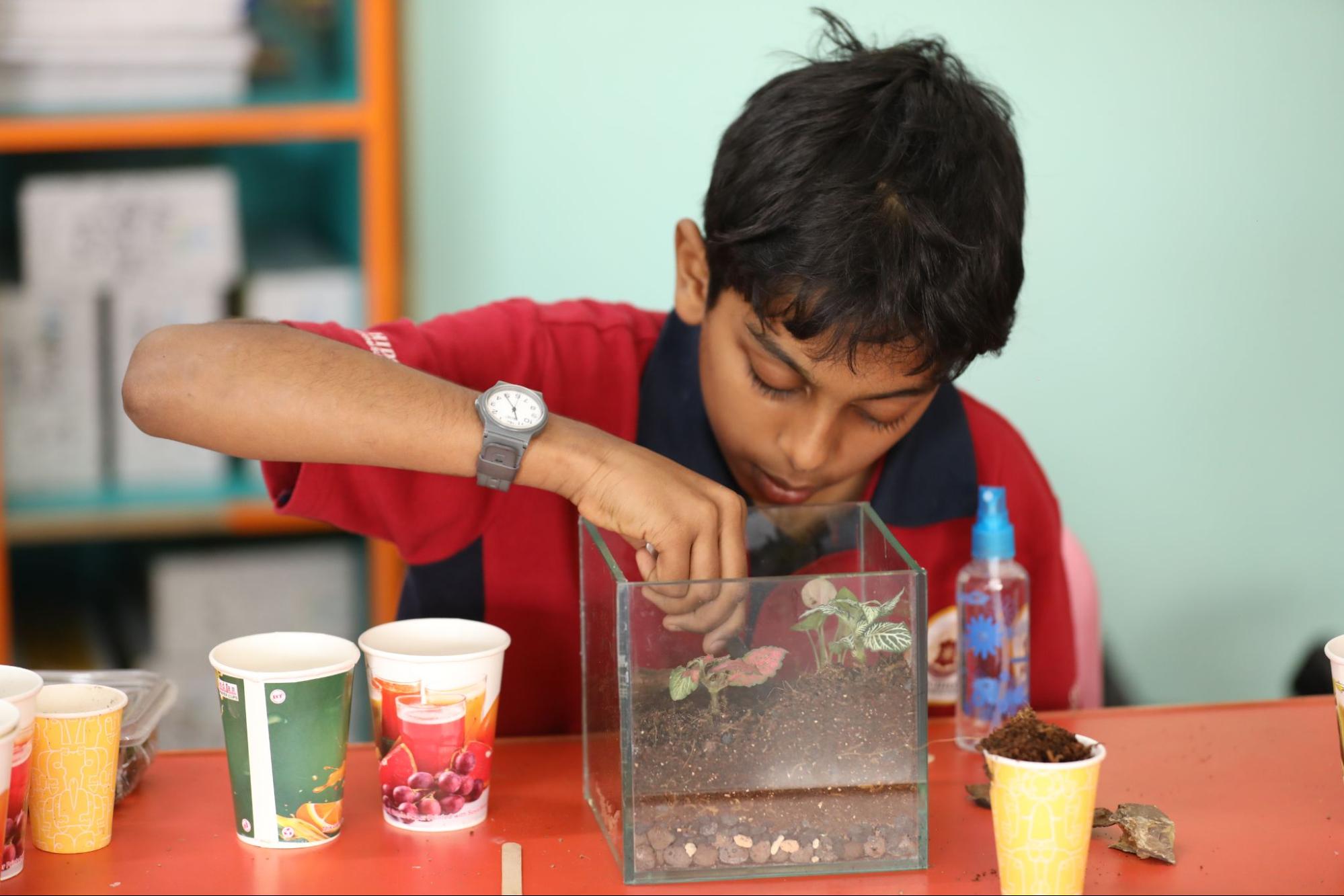
Learning through hands-on experience
The workshops boost curiosity, patience, and responsibility. Students don't just build terrariums—they care for them, observing changes in light, moisture, and growth. This hands-on experience fosters a sense of ownership and connection with nature.
Benefits of Terrarium Workshops
Terrariums act as mini science labs where students observe plant growth, the water cycle, and ecosystems, linking lessons like photosynthesis to real life while adding creativity through design. More than just glass jars, they inspire children to share their observations at home, engage parents in learning, and foster responsibility, problem-solving, and continuous learning—all in a compact, self-sustaining form.
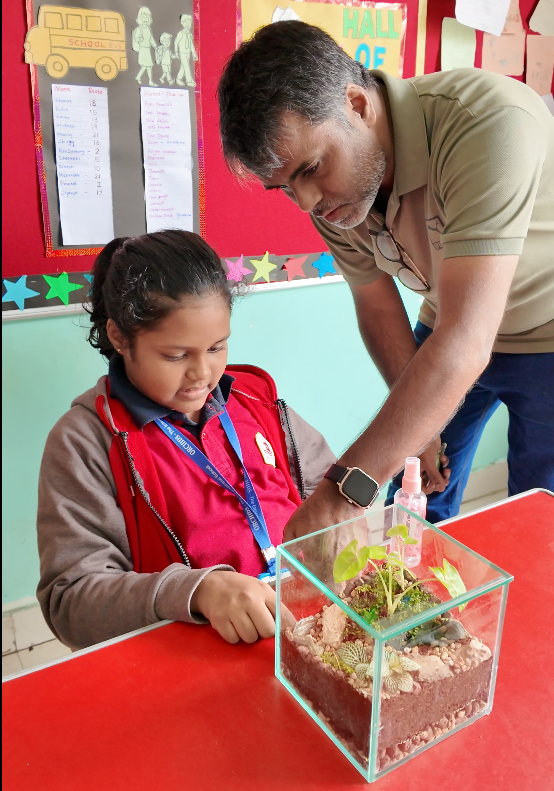
Student's completed terrarium creation
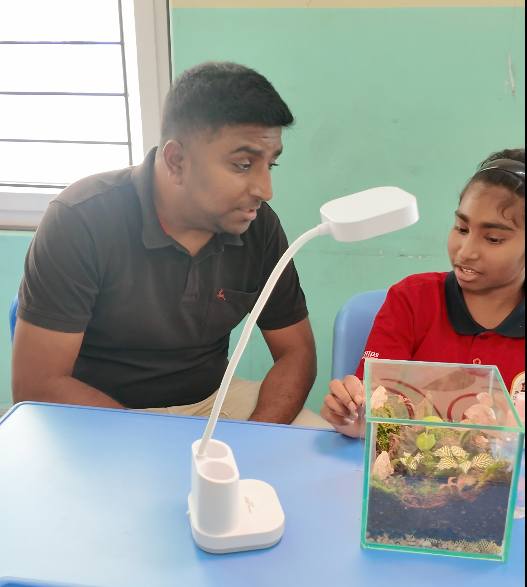
A miniature ecosystem comes to life
Conclusion
Terrariums beautifully combine education and creativity. They transform classrooms into spaces where students learn science, express art, and develop responsibility, all while connecting with nature. By embracing terrariums, schools, parents, and students can nurture curiosity, awareness, and hands-on learning—proving that education can truly grow beyond the pages of a textbook.
Create Your Own Tiny Jungle
Discover how our students are learning about ecosystems, sustainability, and creativity through terrarium workshops.
Explore Horticulture DepartmentWhere science meets creativity 🌿✨