Hydroponics – Smarter Farming for the Future
Food, farming, and sustainability are no longer topics that can remain outside classrooms. With shrinking farmland, unpredictable rainfall, and urban lifestyles, the future of food calls for smarter farming systems. One such breakthrough is Hydroponics—a method of growing plants without soil, using nutrient-rich water. For schools, hydroponics is proving to be more than a farming technique—it's an educational revolution.
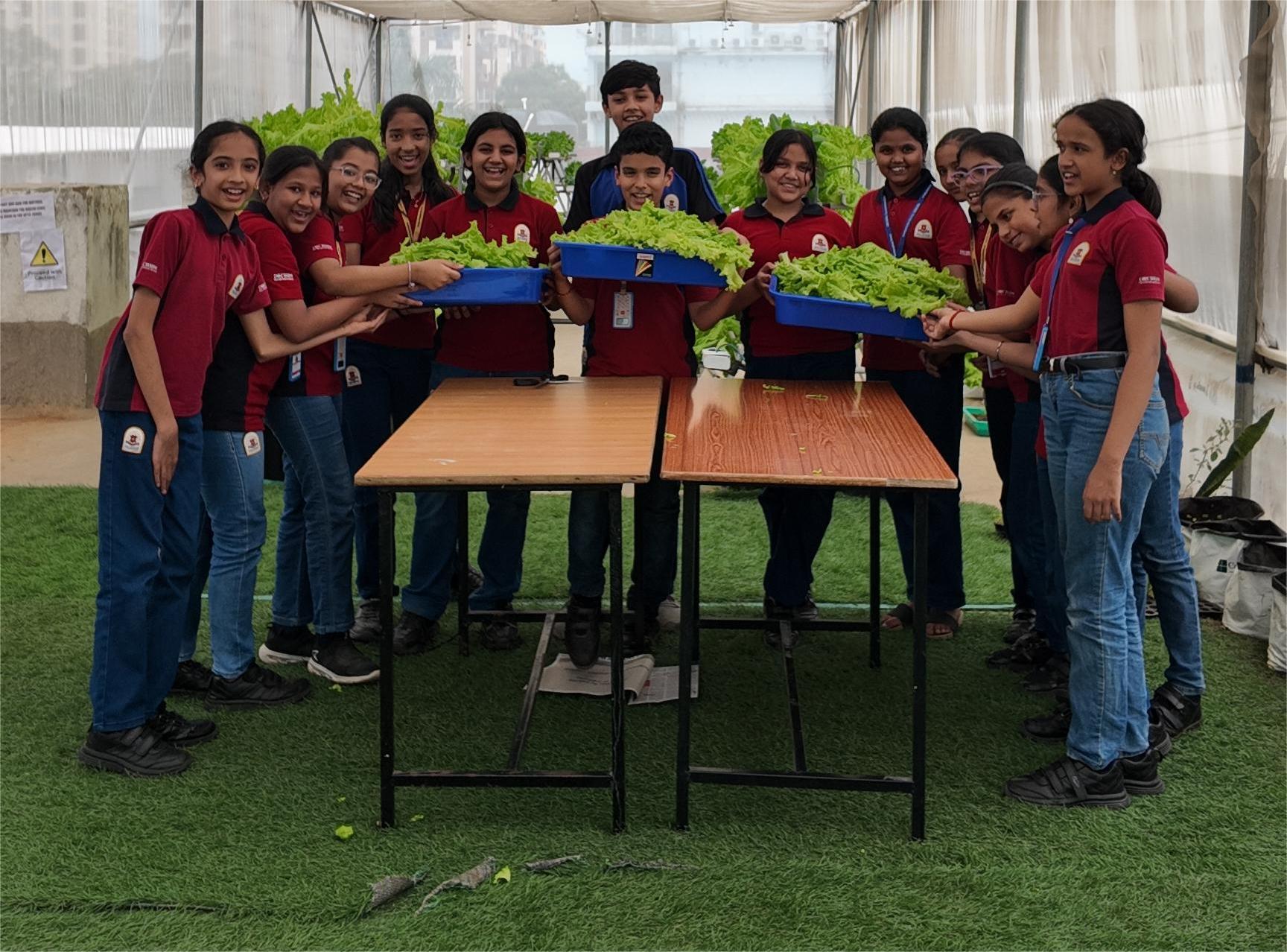
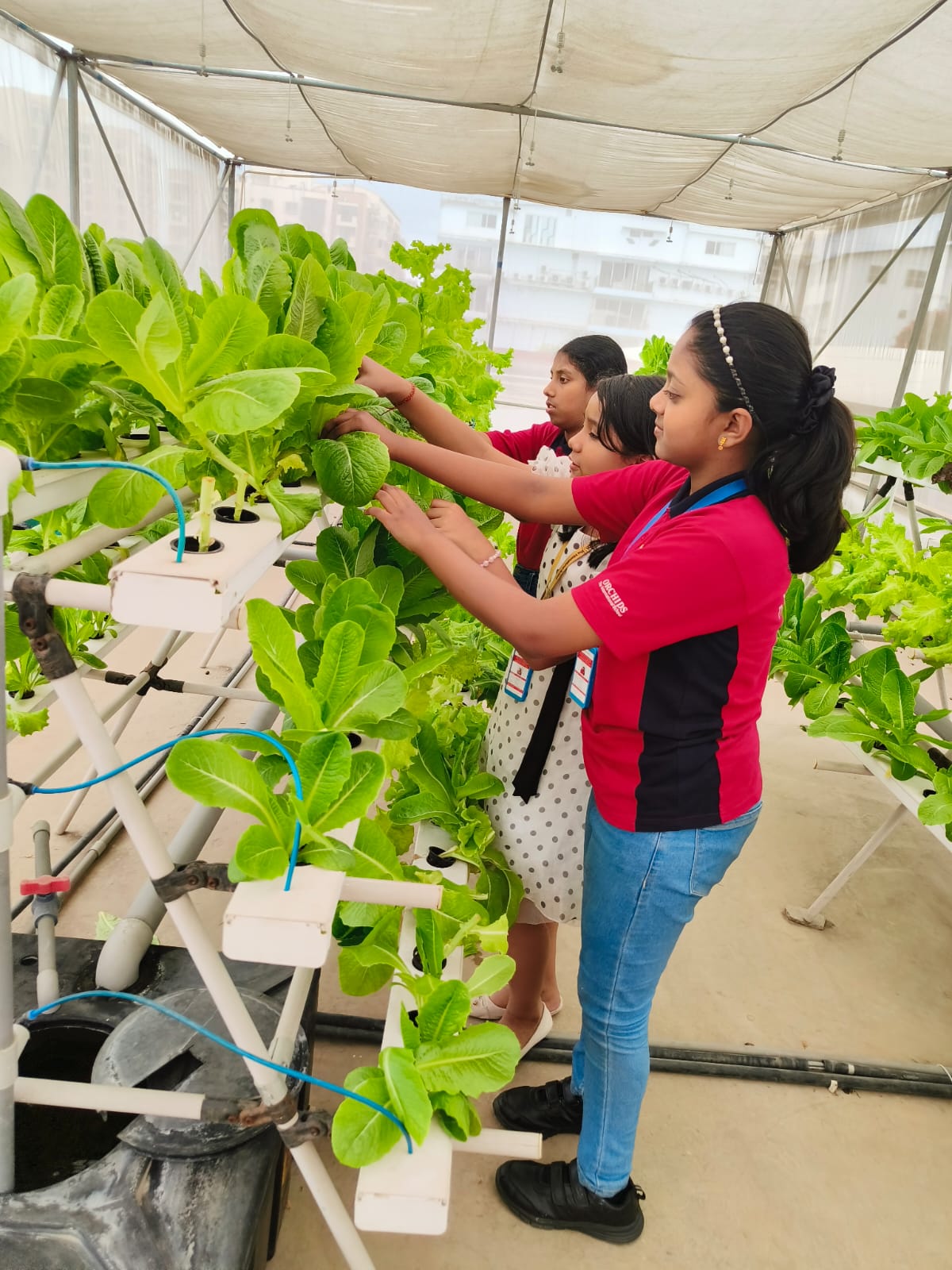
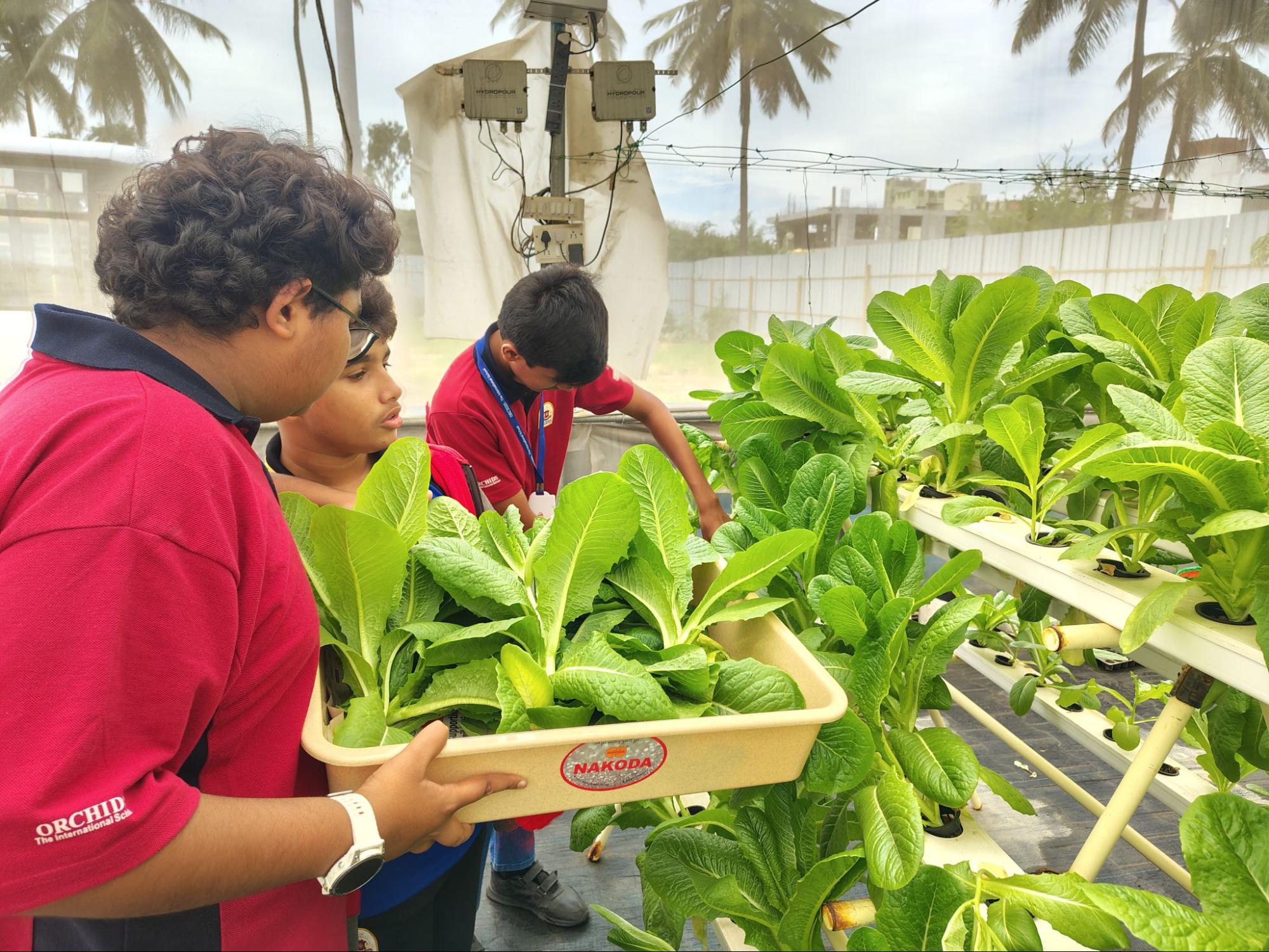
At Orchids The International School, hydroponics is not just a concept but a hands-on learning experience woven into everyday activities. Inside our polyhouses and hydroponic units, students actively participate in the complete journey of growing exotic leafy greens like lettuce, romaine, parsley, celery, and bok choy.
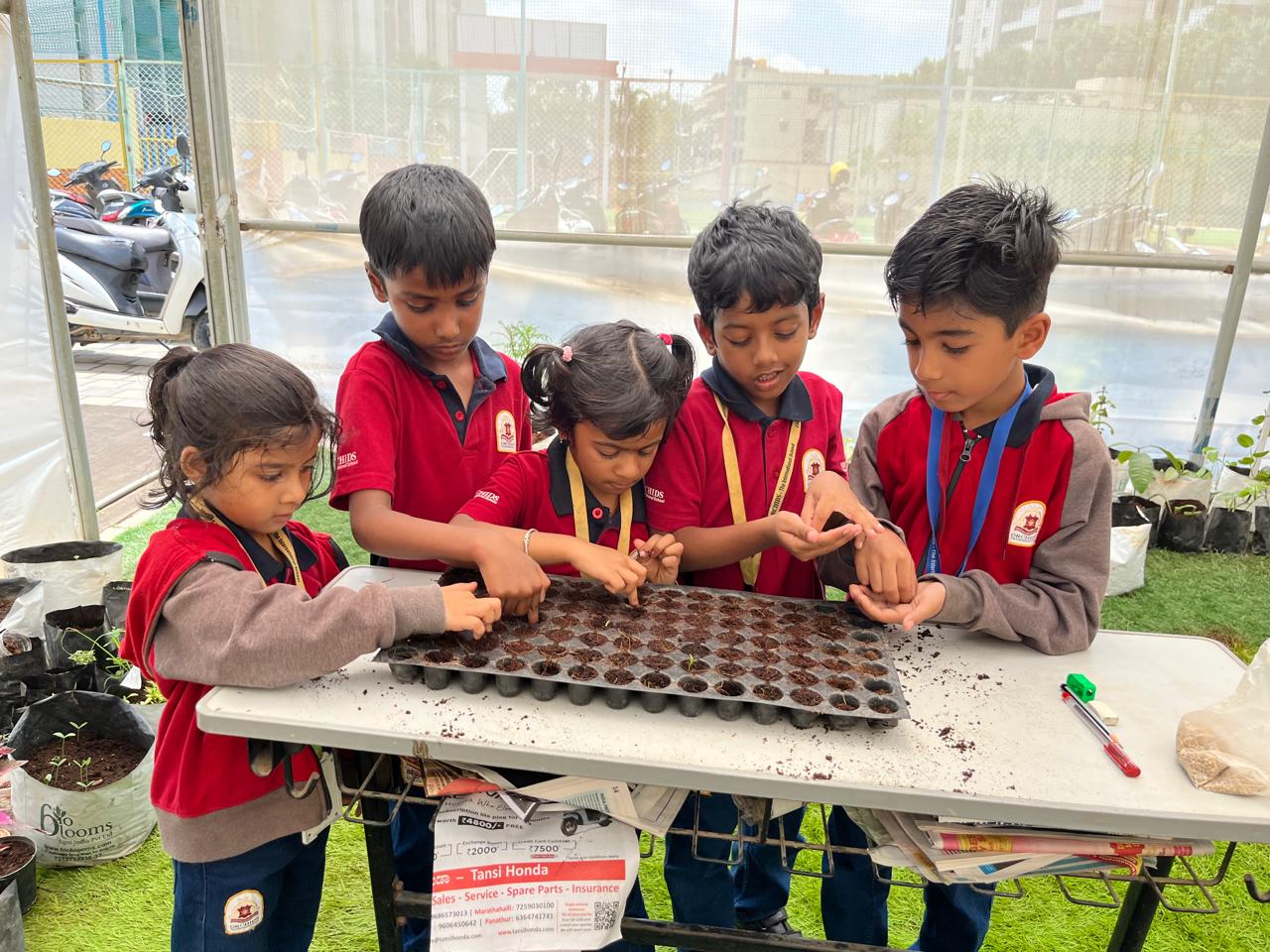
Step 1: Sowing & Germination
The students begin by sowing seeds in trays and carefully observing the process of germination, then nurture the seedlings under protected conditions until they are ready for the next stage.
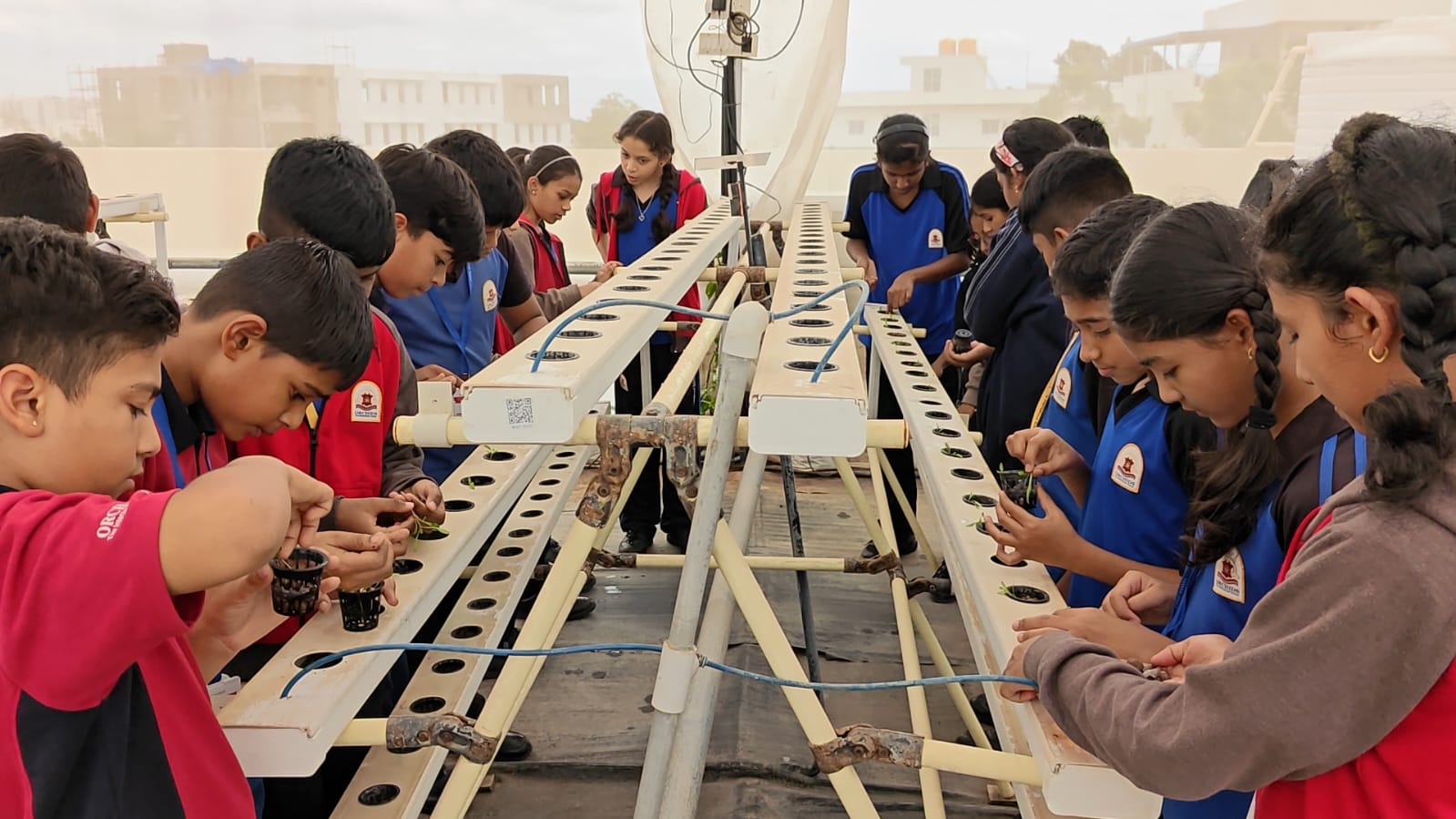
Step 2: Transplanting & Nutrition Management
Once the young plants are strong enough, students transplant them into hydroponic systems, where they take responsibility for managing nutrition by adding balanced nutrient mixes (A, B, and C) while monitoring and adjusting pH and TDS levels.
Step 3: Harvesting & Selling
This practical involvement continues until the crops are fully grown, when students harvest them and even prepare the produce for selling, giving them a real-world understanding of sustainable agriculture.
Budding Farmers Market
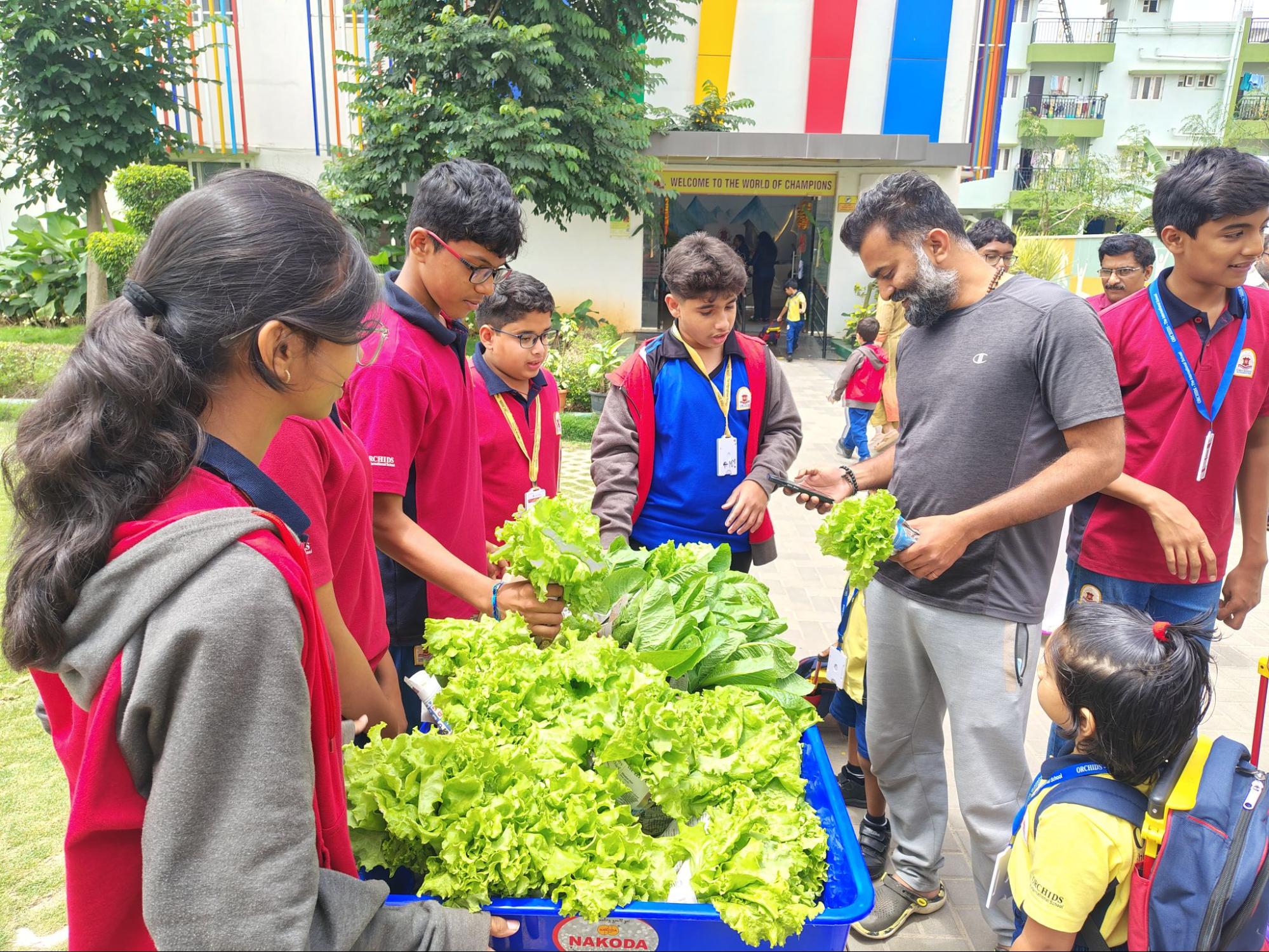
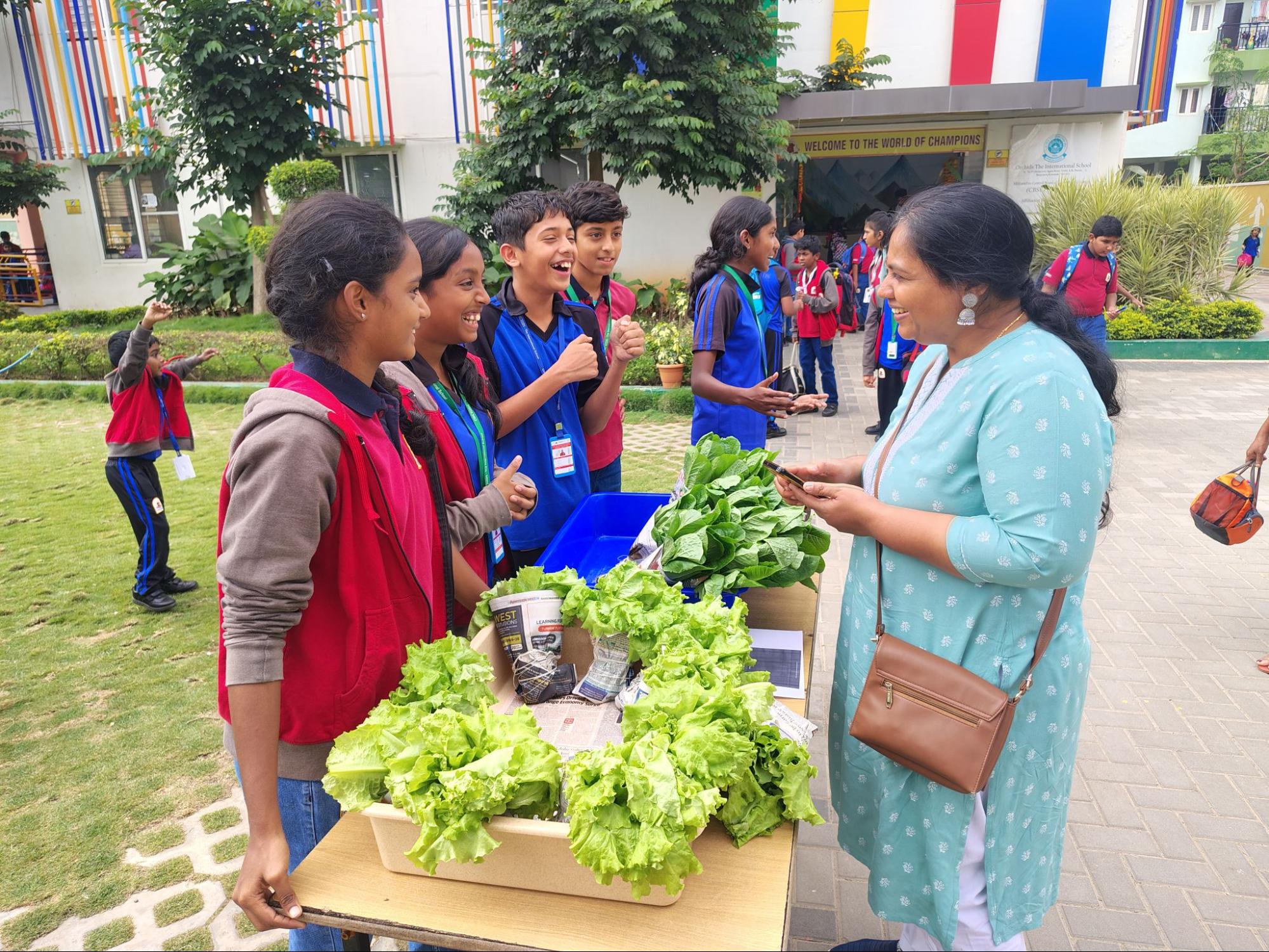
The cycle ends at the Budding Farmers Market, where students sell their freshly harvested greens to parents. This simple act connects science with financial literacy and entrepreneurship, giving children a taste of how ideas become real-world solutions.
Why Hydroponics Matters Today
Soil at Risk
UN data shows that nearly one-third of global soils are degraded. Hydroponics bypasses soil entirely, reducing dependency on vulnerable land.
Water Efficiency
Hydroponics can cut water use by up to 90% compared to conventional farming—a game-changer for a water-stressed nation like India.
Population Needs
With India expected to reach 1.6 billion people by 2047, urban farming solutions will be critical in producing more food within cities.
New-Age Careers
Fields like vertical farming, agri-tech startups, and sustainable food systems are expanding, and early exposure gives students an edge.
Student Mindset
Today's learners are climate-aware and eager to make an impact. Hydroponics gives them the tools to act, not just observe.
Impact Beyond Science
Hydroponics in education is not about producing vegetables—it's about producing responsible thinkers and innovators. Students learn:
Science
Plant biology, nutrition, and growth cycles
Technology
Climate control, irrigation, and sensors
Sustainability
Resource efficiency and food security
Life Skills
Teamwork, responsibility, and money management
Students developing holistic skills through hands-on hydroponics education
Orchids' Leadership in Hydroponics Education
ICAR highlights that horticulture contributes over 33% to India's agricultural GDP while using only 15% of farmland. Hydroponics builds on this efficiency by delivering higher yields in smaller spaces.
By embedding hydroponics into our curriculum, Orchids is future-proofing education—ensuring every child connects with nature, learns innovation hands-on, and understands the economics of food.
Hydroponics is not just a subject in our schools
it's a living classroom where students cultivate knowledge, resilience, and leadership.
Explore Horticulture DepartmentWhere science meets sustainability 🌱💧