Understanding Notes and Coins: A Smart Start to Financial Learning
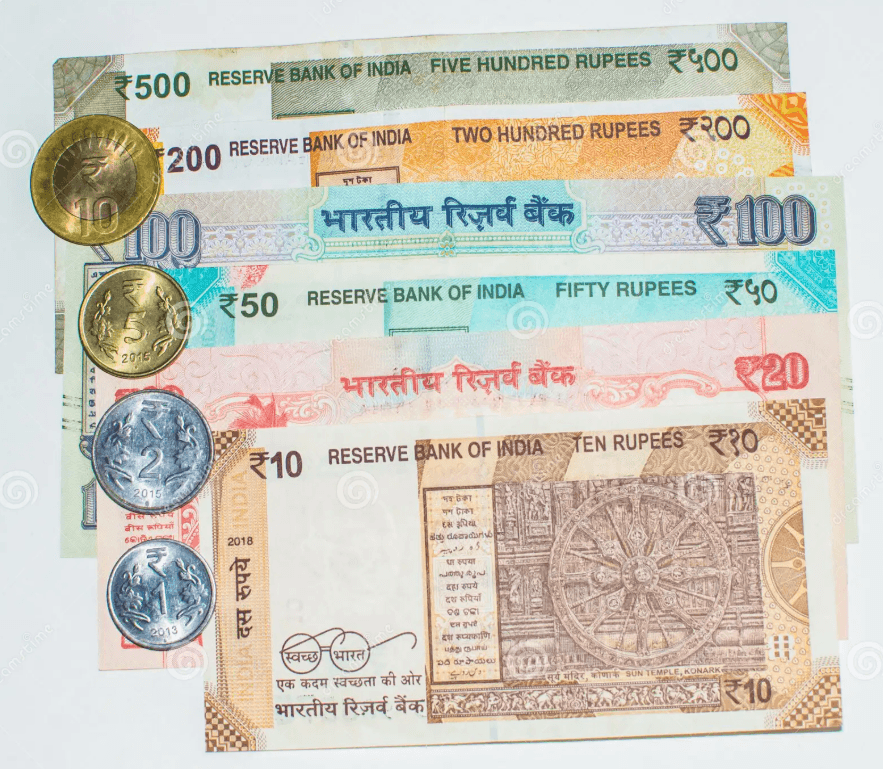
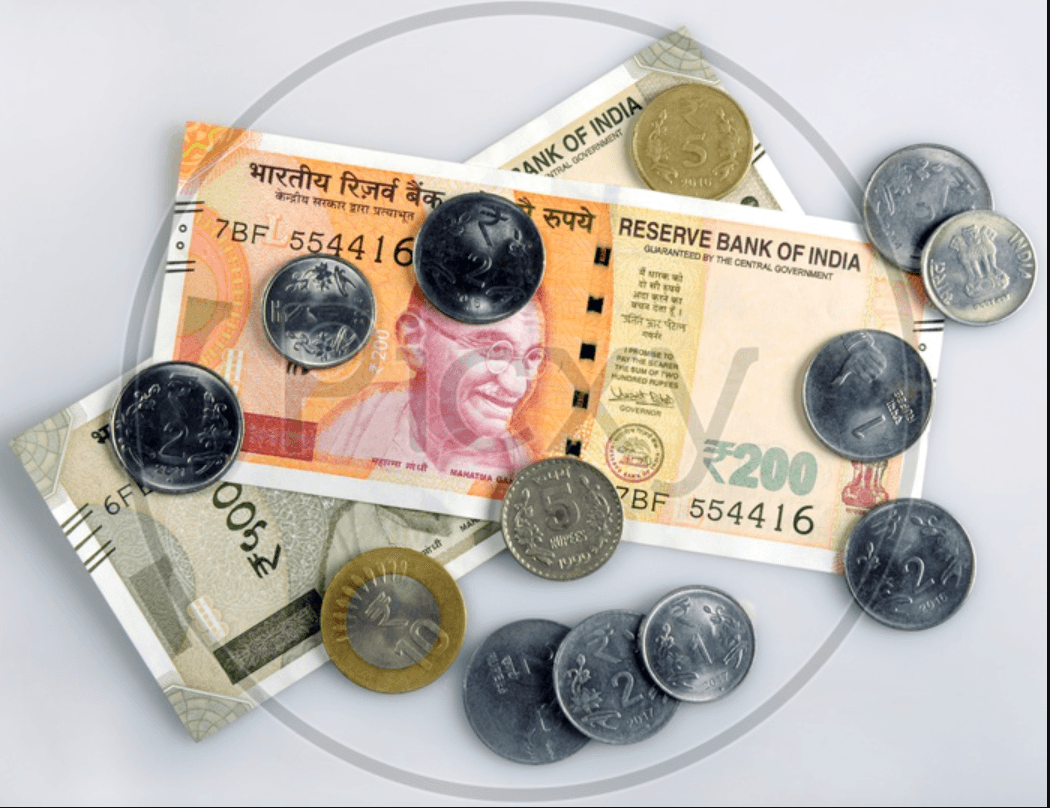
Notes and coins are things we all use every day. They are the money we carry in our wallets and pockets. Let's explore what they are, why they are important and some interesting stories about them from real life.
What Are Notes and Coins?
Notes are the paper money, like the 10 rupee or 500 rupee notes you might have seen. Coins are the metal money, like the 1 rupee or 5 rupee coins. Both of them represent value and can be used to buy things.
Why Do We Use Notes and Coins?
Before notes and coins were invented, people used to trade things directly, a system called bartering. For example, if you had rice but needed shoes, you would have to find someone who wanted rice and had shoes to trade. This was difficult and slow.
Notes and Coins make trading easier. Everyone agrees that a 10-rupee note is worth the same, no matter where you are in the country. This helps people buy and sell quickly.
Our Curriculum
1. Learning Areas We Cover:
Grade 1 & 2 students learn about Indian currency notes and coins, their values, features and colours. They explore how money is used in everyday life, from buying snacks to saving in a piggy bank. We also introduce simple concepts like earning, spending, and saving, helping children understand the real-world role of money.
2. Our Teaching Approach:
Learning happens through hands-on, playful activities that children enjoy.
- Students handle play money and coins to recognize their value.
- They participate in role-play activities like buying and selling items in a mock market.
- Fun worksheets and storytelling help them practice identifying currency and doing simple money calculations.
- Real life examples such as bus fares, pocket money, or buying stationery, make lessons relatable and engaging.
3. The Impact on Learners:
This curriculum helps students:
- Identify notes and coins confidently in daily situations.
- Learn to count money, make simple payments, and calculate change.
- Develop smart spending habits and understand the importance of saving.
By learning through activities, stories and real-life examples, students not only understand money but they also learn how to use it wisely.
The Old Man and the Lost Coin – Student Version
Hi! My name is Aarav, and I want to tell you a story about something that happened in my neighbourhood.
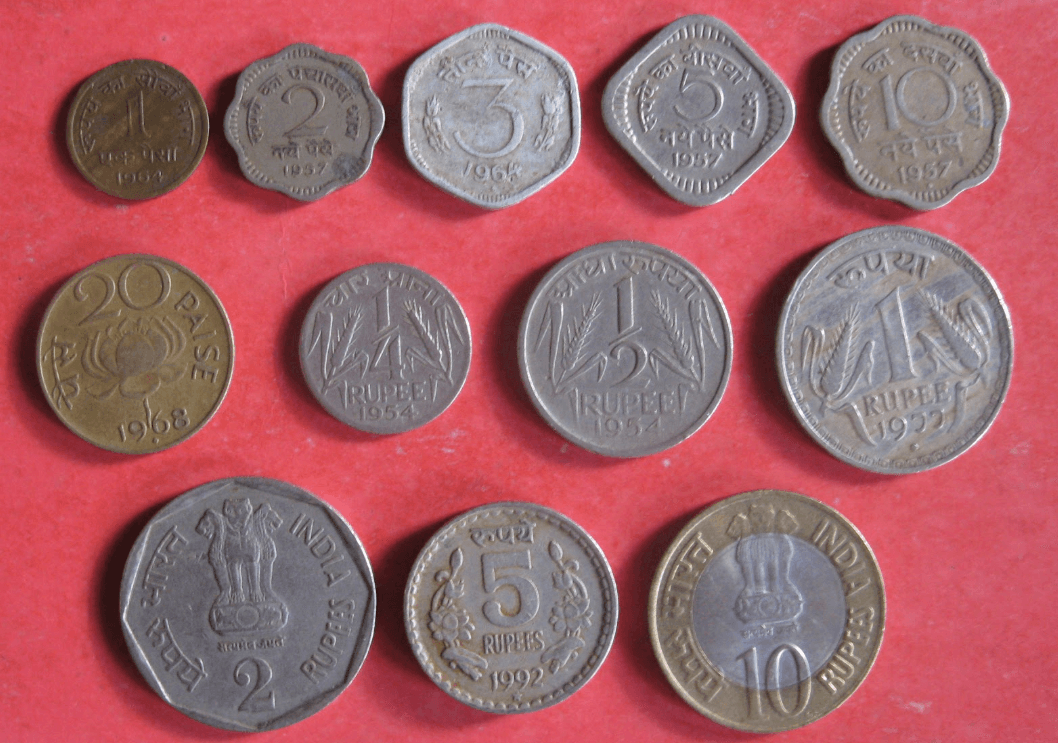
There is an old man who lives next door. He LOVES collecting coins. He has a whole box full of coins from different years. Some are shiny, some are old and some look like they came from another time.
One afternoon, when I was playing outside, I saw Uncle bend down and pick something up from the road. It was a small, shiny coin. To me, it looked like any regular coin, but his eyes lit up like he had found a treasure.
He told me that this coin reminded him of the coins he used to get when he was a child. Back then, coins looked and felt different. He said this coin brought back so many memories of his school days, his friends, and the times he spent helping his father at the shop.
Start Your Child's Financial Journey Today!
Join our Financial Literacy program and empower your child with essential money management skills. From saving habits to entrepreneurship, we're building the next generation of financially smart leaders.