Astronomy Events in October 2025: A Cosmic Calendar for Stargazers
Discover the most spectacular astronomical events of October 2025, featuring the dazzling Orionid meteor shower, eclipses, and planetary highlights that will transform your night sky experience.
Why October 2025 is Special for Stargazers
Get ready, stargazers! October 2025 is not just another month; it's a front-row ticket to some of the most exciting celestial performances of the year. Imagine watching meteors streak across the sky, the Moon slipping into Earth's shadow, or Jupiter shining brighter than ever. That's what awaits you in the astronomy events in October 2025.
October is a magical month for astronomy. The nights are longer, the skies are clearer in many regions, and the Earth's tilt provides us with prime views of meteor showers and planetary displays. Whether you're an amateur stargazer, an astrophotography buff, or someone who just loves to look up in wonder, this month is packed with reasons to step outside and let the cosmos speak directly to you.
Key Astronomy Events in October 2025
Major Celestial Events
- Annular Solar Eclipse - Oct 2
- Draconid Meteor Shower - Oct 8-9
- Partial Lunar Eclipse - Oct 18
- Orionid Meteor Shower - Oct 21-22
- Jupiter at Opposition - Oct 3
Viewing Opportunities
- Naked eye observations
- Binocular viewing
- Telescope observations
- Astrophotography sessions
- Global viewing access
Annular Solar Eclipse – October 2, 2025
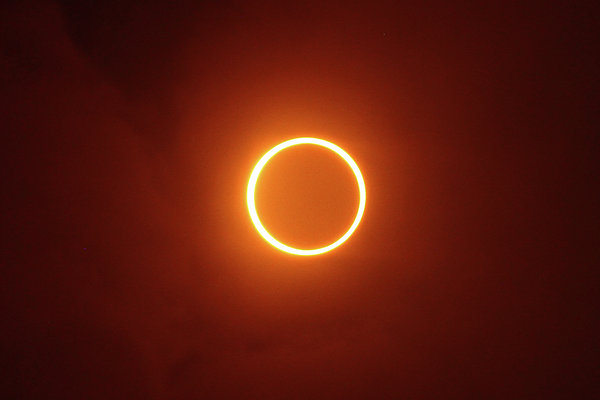
Hinode's solar telescope captured an annular eclipse as the Moon passed in front of the Sun.
Credit: JAXA/NASA
What better way to start the month than with an annular solar eclipse? Picture this: the Moon glides in front of the Sun, but because it's farther from Earth, it doesn't cover it completely. Instead, you'll see a dazzling "ring of fire" glowing around the dark lunar disk.
Eclipse Details
- Visibility: Parts of South America, including Argentina, Chile, and Uruguay
- Duration: Maximum eclipse duration of approximately 7 minutes
- Safety Note: Always use proper eclipse glasses or solar filters - never look directly at the Sun!
Draconid Meteor Shower – October 8-9, 2025
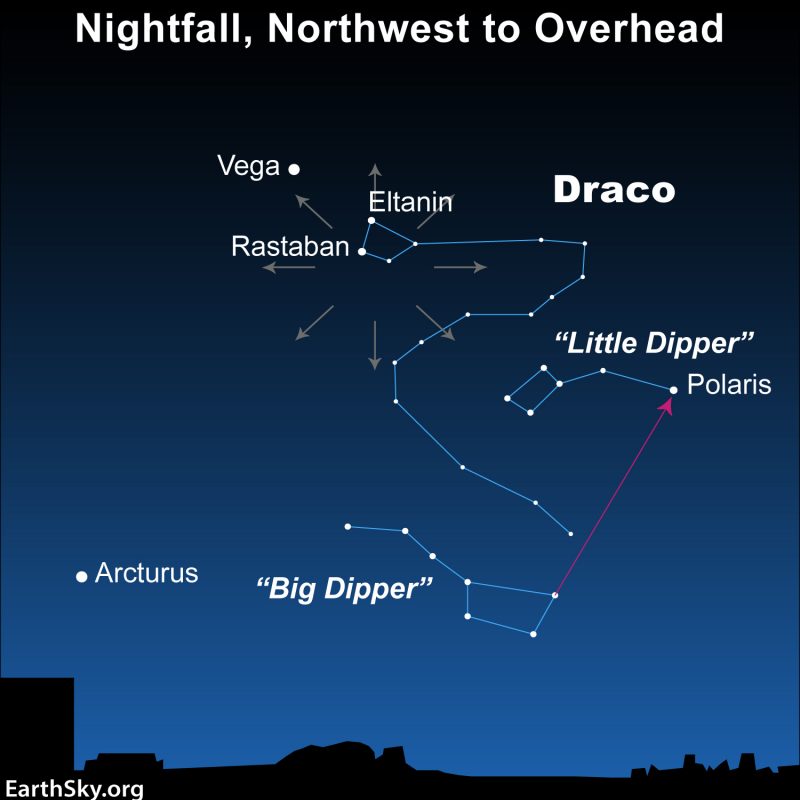
The Draconid meteors appear to radiate from the head of Draco in the northern sky.
Credit: Earthsky.org
Just a week later, the skies give you a shower of falling stars. The Draconids are unpredictable, sometimes quiet, sometimes bursting with hundreds of meteors in a single hour. That uncertainty is part of the thrill. These meteors appear to radiate from the head of Draco in the northern sky.
Fun Fact: These meteors come from the debris of comet 21P/Giacobini-Zinner. When you see one, you're literally watching a comet's history burn up in the sky.
Partial Lunar Eclipse – October 18, 2025
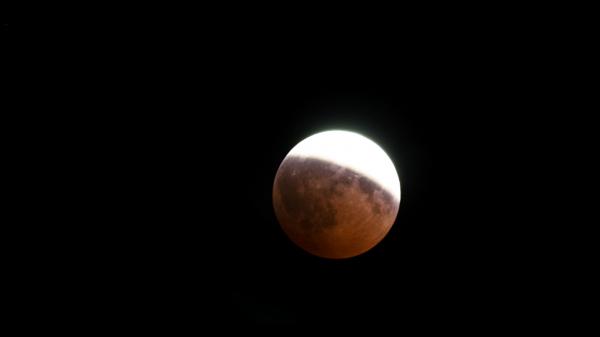
Partial Lunar Eclipse
Earth's shadow partially covers the Moon, creating a stunning celestial display.
Mid-month, the Moon puts on its own show. During the partial lunar eclipse, Earth's shadow will bite into the Moon, turning part of it a reddish-brown shade. Imagine standing outside, coffee in hand, as the Moon slowly transforms before your eyes.
Viewing Areas: Europe, Africa, and parts of Asia will have the best views. Unlike solar eclipses, you don't need any equipment, just your eyes. But binoculars will give you a closer look at the shadow's edge.
Orionid Meteor Shower – October 21-22, 2025
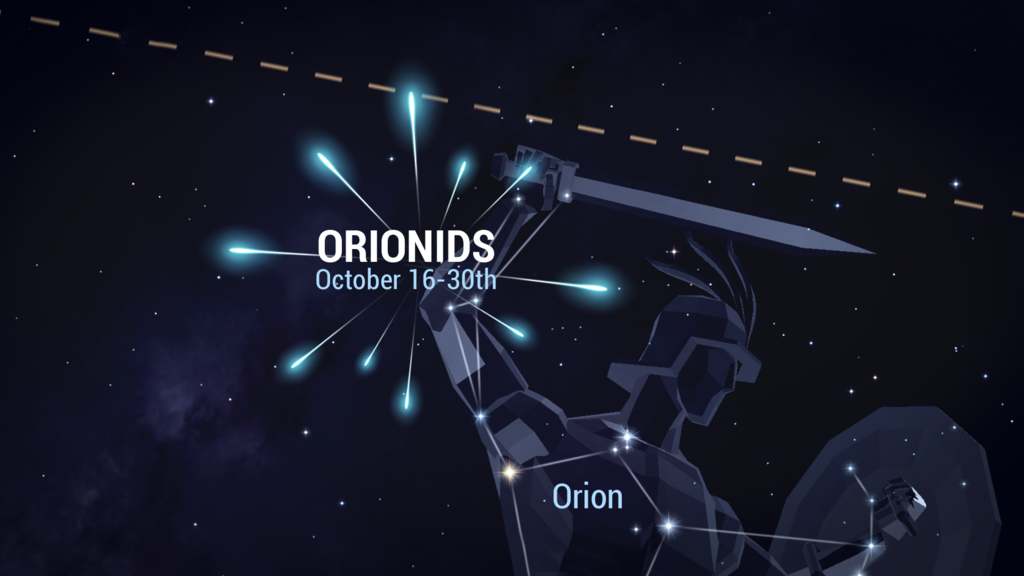
Radiant of Orion Meteor Shower
Meteors appear to radiate from the Orion constellation, creating spectacular trails across the night sky.
The Orionids are one of the most reliable meteor showers, and this year they'll be spectacular. Originating from none other than Halley's Comet, these meteors are fast, bright, and often leave glowing trails. You're seeing fragments of Halley's Comet, the same comet that humans have tracked for thousands of years.
Orionid Meteor Shower Details
Planetary Highlights in October 2025
The planets are also stepping into the spotlight this month. It's like the planets know we're watching and are putting on their best show.
Jupiter at Opposition (October 3)
Jupiter will shine bigger and brighter than at any other time this year. Through a telescope, you can see its swirling cloud bands and even its four Galilean moons.
Saturn
Visible in the evening skies, Saturn will dazzle you with its famous rings.
Venus - The Morning Star
Rises before dawn, outshining everything else except the Moon.
Best Practices for Observing October 2025 Events
Want to make the most of these events? Here are some pro tips from our Astronomy Department:
Preparation Tips
- • Find dark skies away from city lights
- • Give your eyes 20 minutes to adjust
- • Check weather forecasts for clear skies
- • Dress warmly for long observations
Equipment Recommendations
- • Binoculars for lunar observations
- • Telescope for Jupiter and Saturn
- • Comfortable chair for meteor watching
- • Eclipse glasses for solar viewing
Astrophotography Opportunities
If you've got a camera, October 2025 is your playground. Want to capture the ring of fire eclipse? It's possible. Want dramatic shots of the Moon during the eclipse? Absolutely. Long-exposure photos of meteors streaking through Orion? Stunning. And if you're lucky, your telescope-camera combo might even let you snap Jupiter's bands or Saturn's rings.
So, what's the takeaway? October 2025 isn't just another month; it's an adventure written in the stars. From the fiery ring of the solar eclipse to the dazzling Orionid meteors, the astronomy events in October 2025 are your chance to connect with the universe like never before.
Join Our Stargazing Community
Our Astronomy Department regularly hosts observation sessions during these spectacular events. Led by experienced faculty mentors and passionate student astronomers, these gatherings offer the perfect opportunity to witness cosmic phenomena through professional-grade telescopes while learning from experts.
So here's your challenge: step outside, look up, and let the sky remind you of just how vast, beautiful, and mysterious our cosmos truly is. The universe has prepared a front-row seat just for you. Don't miss it!
Ready for Cosmic Adventures?
Join our Astronomy Department and be part of our stargazing community for these incredible October 2025 events.
Explore Astronomy DepartmentHappy Stargazing! 🌟